The ISE Darrell Posey Field Fellowship aims to support remarkable individuals with an outstanding, long-term and committed trajectory of work on issues relating to applied ethnoecology, traditional resource rights, community-based resource management and socio-environmental justice or ethics. Past field fellows have included socially engaged academics, practitioners, indigenous or community leaders, and human, indigenous or environmental rights activists. Rather than providing support for specific projects, the field fellowship aims to provide over-burdened and under-supported individuals doing extremely valuable work some breathing space, and the ability to focus more intensely and freely on their work. Field Fellows receive $20,000 per year for two years.1
2014-2016 Field Fellows
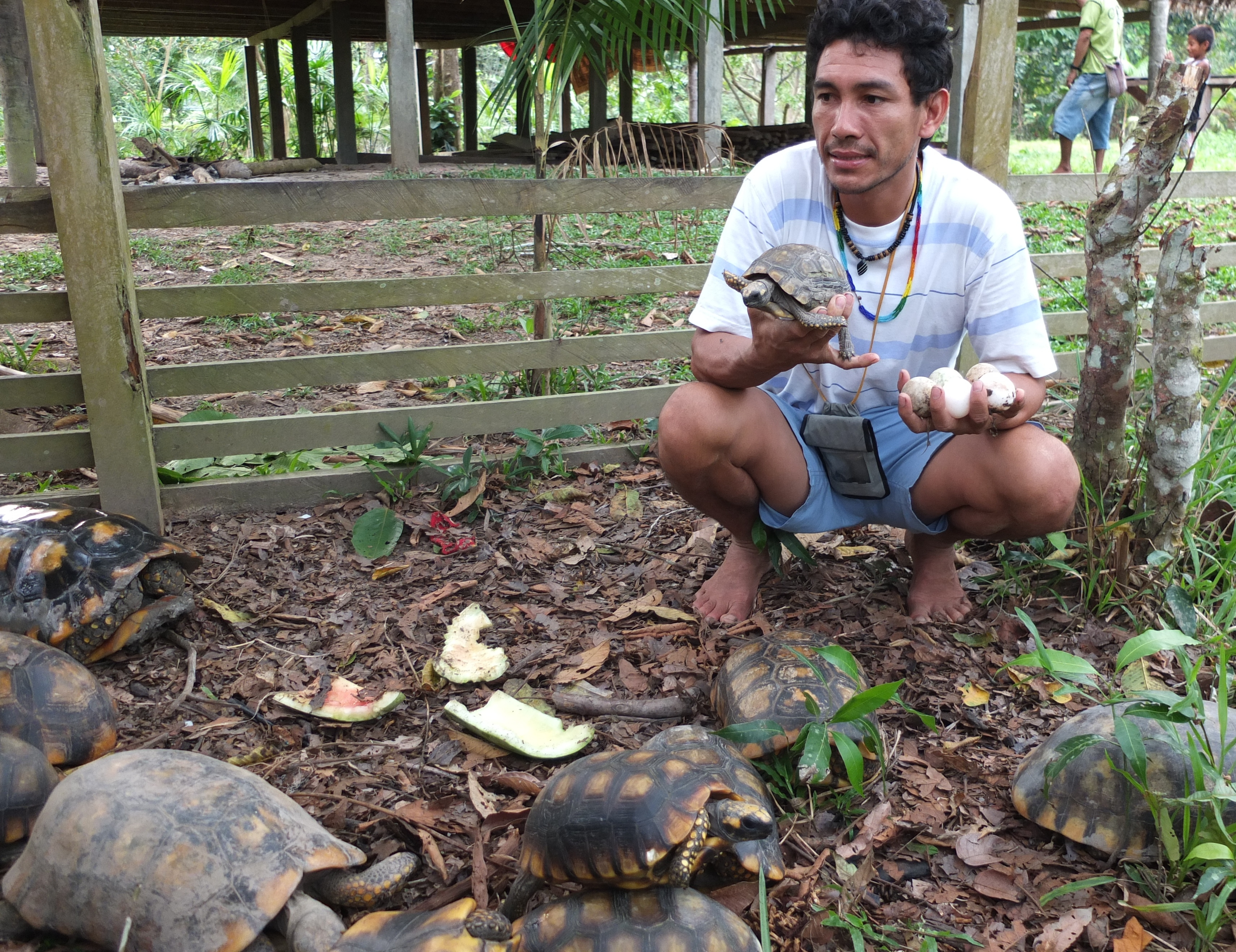
Benki Piyãko Ashaninka (Brazil) is a widely-known and respected Ashaninka leader who has, since a young age, been at the forefront in his people’s struggle for their ethnic and territorial rights, the preservation of their forest, the maintenance and strengthening of their indigenous identities, and the promotion of their cultural and spiritual values. Benki is also a respected shaman and artist. He has been instrumental in shaping a new generation of leaders and working with different local communities, indigenous groups and organizations, within and beyond his home state of Acre, to establish a number of training centers, networks and initiatives that support effective land-use practices, group learning and cultural and social revival. He has, as a result of his important and innovative work in the field of human rights and the environment, received several prestigious national and international awards.
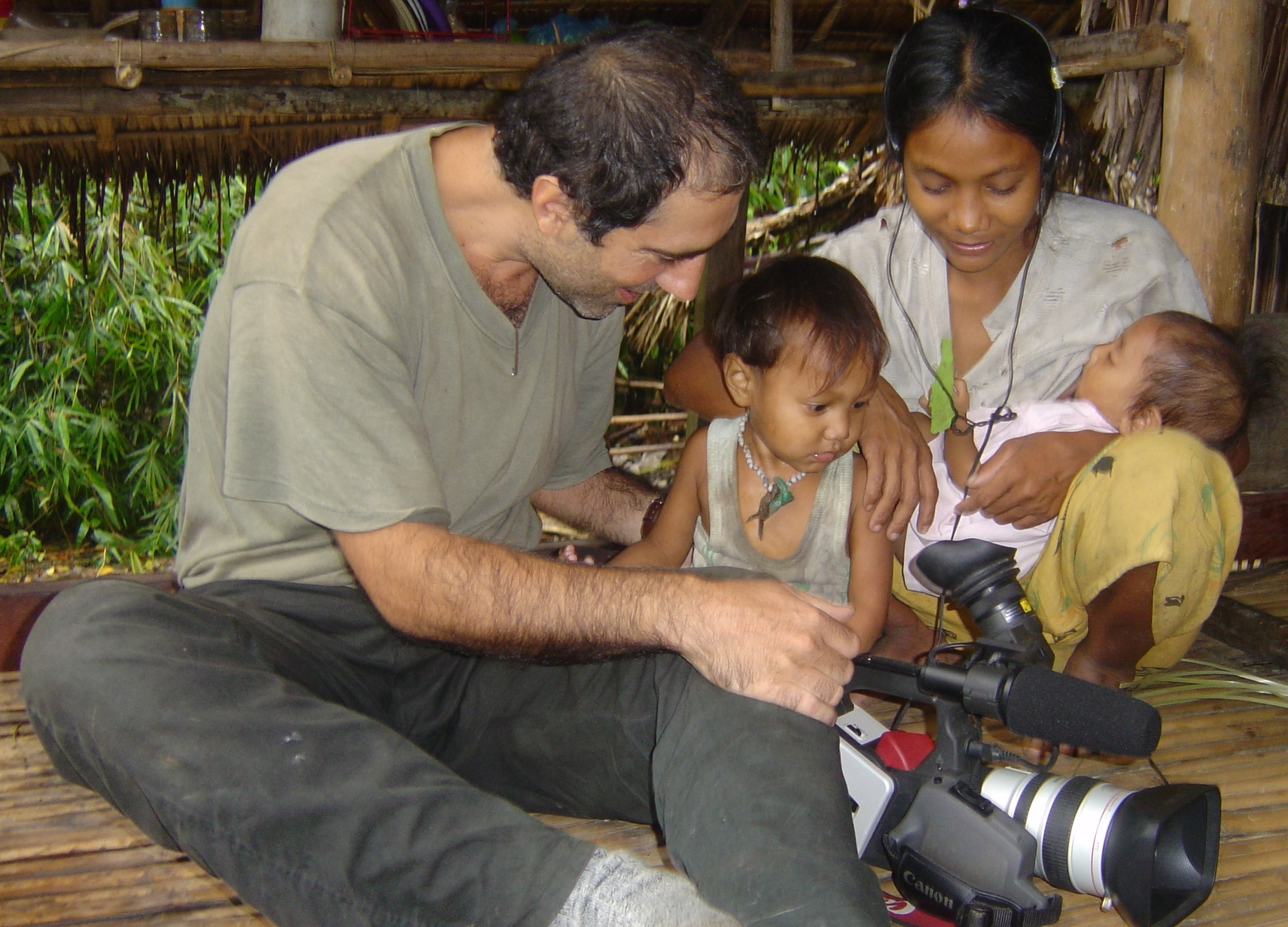
Dario Novellino (Italy and The Philippines) is a social anthropologist who has dedicated his life to supporting indigenous peoples’ struggle for self determination, mostly on the Island of Palawan (The Philippines). Like Darrell Posey before him, Dario is both an accomplished academic and dedicated advocate. A fluent speaker of Batak, with whom he has lived for extended periods of time over the past twenty-seven years, he has written extensively about their world-views and life-ways and, on the basis of that knowledge and relationship, campaigned extensively for their social, territorial and environmental rights. Over the years Dario has also worked closely with a number of indigenous organizations. More recently, he helped establish ALDAW, a regional advocacy network that provides indigenous and local people with the information and communication tools necessary protect their lands against the onslaught of large-scale mining and palm oil agribusiness that is ravaging their lands. He recently received the prestigious Paul K. Feyerabend Award, in recognition for his contribution to human rights and environmental justice.
Past Field Fellows

Dutu Mantangkilan Cumantang (The Philippines, 2011-2013), also known as Amay (“Father”), is a well-respected figure, not only within the community of Mintapod, where he is the Datu (Leader), but also among all the Higaonon people, northern Mindanao Island. He was awarded the Field Fellowship on the basis of his long-standing and profound commitment to social and environmental renewal among his people and, especially, for his efforts at securing the protection of Mt. Kimangkil, a sacred mountain to the Higaonon and the source of all the island’s major rivers. Active and peaceful opposition to commercial logging, mining, oil palm plantations and violent insurgency has come at a cost for Amay and his allies: over the years a number of leaders have been murdered or injured and Amay has had to go into hiding several times. During his time as Field Fellow Amay worked to strengthen customary law, promoting its transmission to the younger generation and its application to securing their social well-being, livelihoods and territory.

Johannes Henricus “Jenne” de Beer (The Phillipines, 2009-2011) is widely considered to be the “father” of the Non-Timber Forest Products movement by his Southeast Asian collaborators. Through his work as a researcher, advocate and writer he drew global attention to the key contribution of forest products for local livelihoods and their huge potential for sustainable development. His extensive work at the grassroots level throughout southeast Asia not only helped develop a critical understanding of this sector, but also directly served to empower forest-based communities, helping them mobilize around the use of their forest resources to protect their ancestral homelands and guarantee the sustainable utilization of forest resources. During his Fellowship Jenne continued to work in support of the long-term resource and land rights for indigenous peoples in the Philippines, Indonesia, Malaysia, India and the greater Mekong region, focusing on the role and potential of traditional foodways in social and environmental renewal.

Miguel Alexiades (Peru and Bolivia, 2004-2006) was the first ISE Darrell Posey Field Fellow. An anthropologist and ethnobotanist by training, Miguel Alexiades has worked with Ese Eja peoples in the border regions of pre-Andean Amazonian Peru and Bolivia, since 1985, always with the intent of developing the potential synergies that exist between research and advocacy, between understanding and social change. Working closely to with the regional indigenous federation FENAMAD (Federación del Río Madre de Dios y Afluentes) Miguel helped establish a number of different initiatives relating to the revival and application indigenous knowledge in health, social and environmental well-being. The Darrell Posey Field Fellowship supported his work helping the Ese eja map and document the social knowledge linked to their traditional homelands in order to support a number of claims relating to resource and land rights, serving as a means to redress some of the effects of social and territorial fragmentation that followed from the colonization of the area last century.
1Due to exceptional circumstances the 2014-2016 Field Fellowship award was split equally between two individuals